
Skip to content

Unlocking Rare Opportunities

What are Rare Earths?

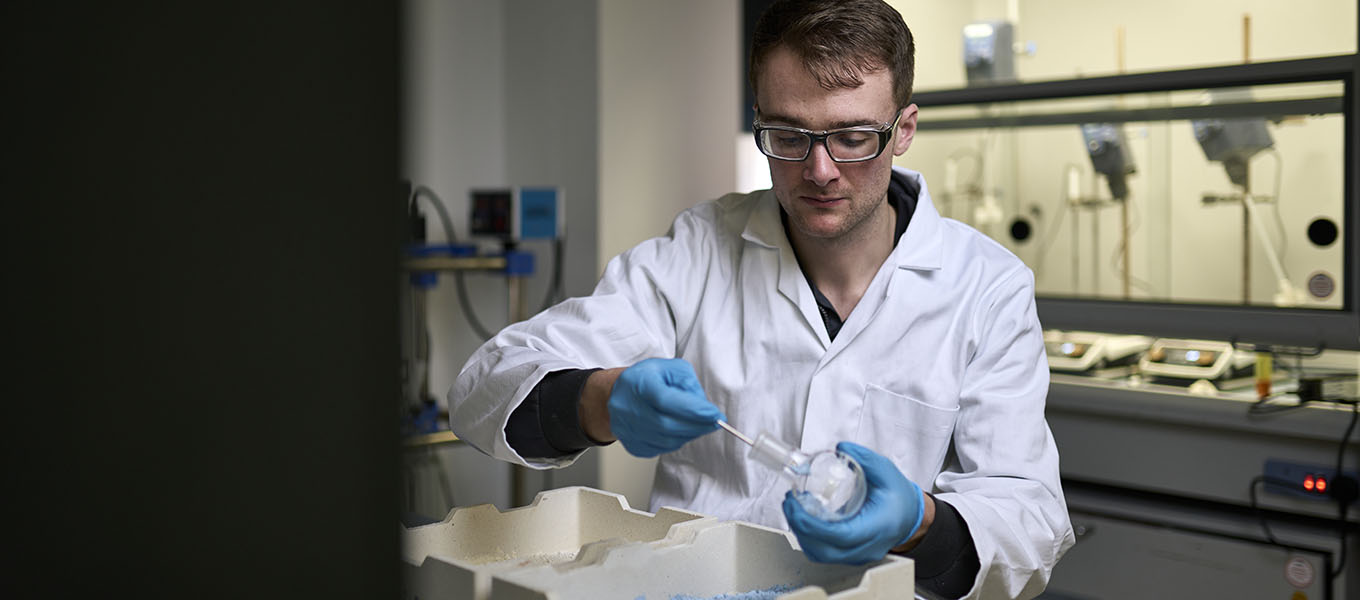
Ionic Technologies is using technology to produce high-purity rare earth oxides (99.5%+). Rare earths are critical to the future of the net-zero energy transition. Despite their name, many rare earths are relatively abundant in the Earth’s crust, but unfortunately, they are very difficult and expensive to extract and process. Growing demand for these elements is driven by the ever-increasing investment and global push for wind energy, electric vehicles, along with critical defence and space technologies.

That’s where we come in. We set the standard for responsible product management. Our patented process enables the extraction of rare earths that are already present in end-of-life magnets. We are making strides towards powering a sustainable future by recycling secure, sustainable and traceable magnet rare earth oxides.
Rare Earths for life.

Meet our team

Use in Defence & Space

Rare earth elements (REEs) and high-performance magnets are critical to defence and space technologies, powering everything from fighter jets and submarines to advanced satellites and guided missile systems. As geopolitical tensions drive urgency in securing strategic stockpiles, the demand for sustainable, domestic, and recycling REE supply chains has never been more important.

Modern military and space industries rely on lightweight, high-strength materials – many of which are only possible thanks to REEs, particularly Neodymium-Iron-Boron (NdFeB) and Samarium-Cobalt (SmCo) magnets. These materials are essential for precision-guided weapons, surveillance systems, stealth technology, and deep-space exploration, amongst a myriad of other critical defence/military techs.

China currently dominates more than 90% of global rare earth processing, creating a significant supply chain vulnerability. This reliance poses a significant supply chain vulnerability and strategic risk, as trade restrictions, price manipulation, or geopolitical conflicts could disrupt access to these critical materials, threatening defence and space capabilities.

With so many critical applications, recycling and refining REEs from decommissioned military assets, as well as end-of-life wind turbines, is an essential strategic play for long-term supply security.

As global competition in defence and space technology grows amid national security concerns, nations are prioritising the insulation of their supply chains and building a circular economy to maintain long-term, sustainable REE and NdFeB magnet supply.

Use in Renewable Energy

With land constraints and the growing need for renewable energy, countries are rapidly adopting offshore wind turbines to achieve net-zero targets.

To meet demand, specific rare earth elements (REEs) (Dy, Nd, Pr and Tb) – all of which we produce – will experience a demand increase from 6 to 40-fold by 2050.

Wind turbines rely on high-performance rare earth magnets, particularly Neodymium-Iron-Boron (NdFeB) magnets, which are essential for permanent magnet generators (PMGs). Neodymium (Nd) and Praseodymium (Pr) provide the vital magnetic properties, while Dysprosium (Dy) and Terbium (Tb) enhance resistance to high temperatures and demagnetisation, making them ideal for long-term use in wind turbines.

As offshore and onshore wind turbines near the end of their operational life, a growing pool of retired (spent) NdFeB magnets are becoming available for recycling, refining, and repurposing. Extracting REEs from decommissioned turbines reduces reliance on newly mined materials, ensuring a sustainable supply of critical magnets for new installations.

Ionic Technologies’ advanced recycling technology enables a scalable and sustainable repurposing of spent permanent NdFeB magnets, accelerating magnet recycling across the Western world.

Use in Advanced Manufacturing & EVs

Modern industries depend on precision engineering and lightweight, high-strength materials, both made possible by REEs – like those found in NdFeB magnets.

  • Essential for Automation – Powering robotics, CNC machines, and AI-driven systems.
  • Lightweight & Strong Materials – Al-Sc alloys improve EVs, aerospace, and energy efficiency.
  • Vital for Medical & Precision Tech – Used in MRI machines, lasers, and imaging technology.
  • High-Performance Magnets – NdFeB and SmCo magnets are key to EV motors, wind turbines, and industrial automation
  • Critical for Energy & Sustainability – Found in clean energy, batteries, and nuclear power systems.

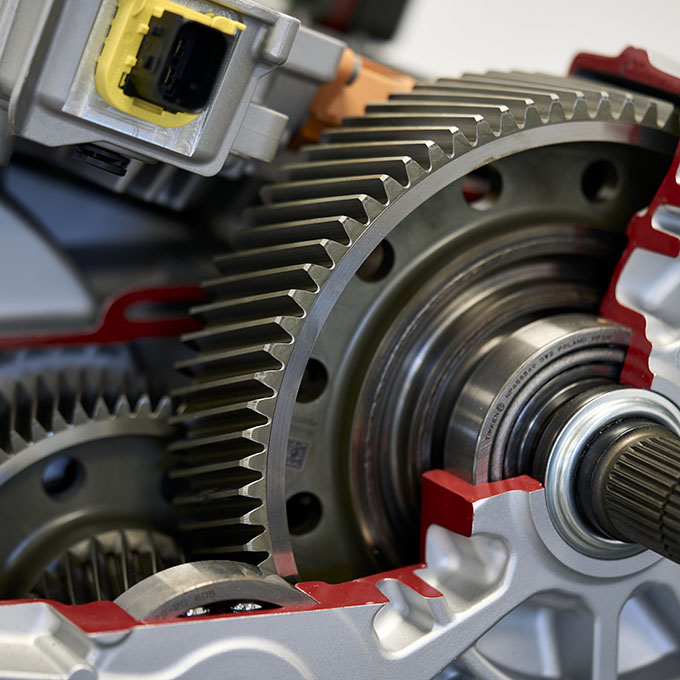
Electric vehicles require a wide array of rare earths. There are three main types of electric vehicles’ traction motors in commercial use, each using permanent magnet synchronous motors (93% of electric vehicles use permanent magnet synchronous motors).

Rare earths only follow lithium and cobalt when it comes to incremental commodity demand for electric vehicles.
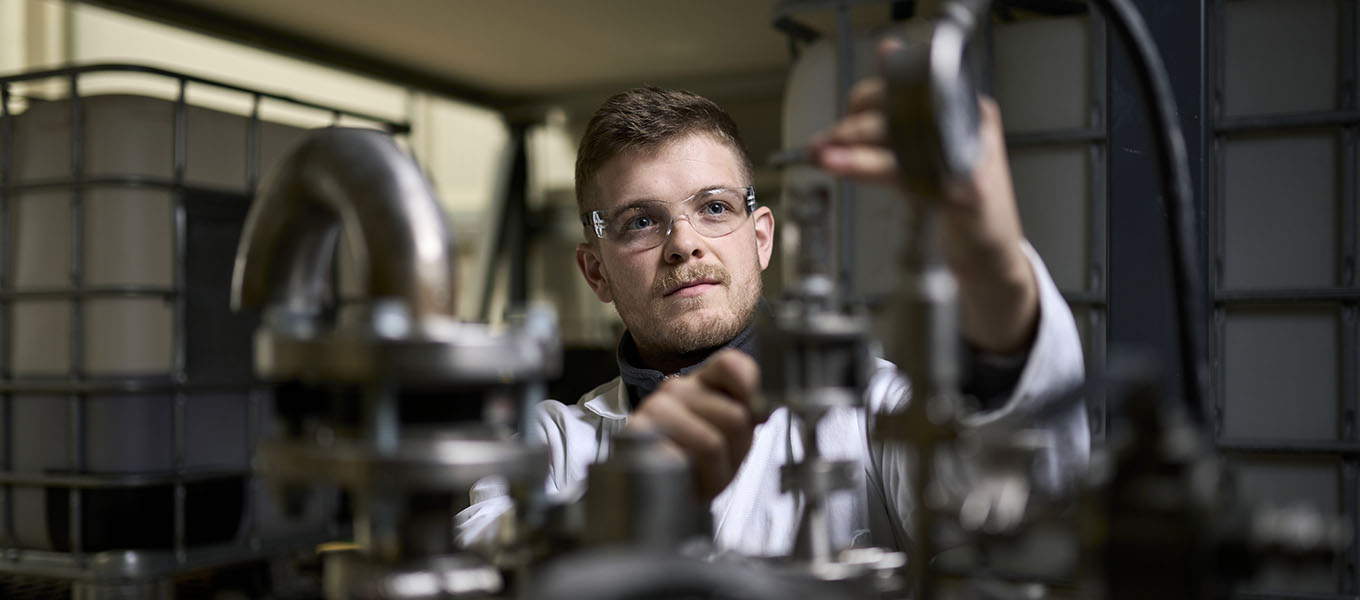
Rare earth elements are not just materials – they are the foundations of innovation. As industries move toward automation, sustainability, and precision manufacturing, REEs and their NdFeB Magnet counterparts will remain essential to the future of global industry.

More important than ever

Learn more in-depth about Ionic’s positive impact on defence, renewables, and advanced manufacturing on our parent site

Current Opportunities

View all

Get in touch with us

Contact Us